Information Technology prognosticators Gartner (IT) predicts that 40% of enterprises will use Wi-Fi as the default connection for mobile and non-mobile devices by 2018 according to Fred Donovan at FierceMobileIT. The prediction says that typically fixed location devices like; desktops, desk phones, projectors, and conference rooms will use Wi-Fi as their primary connection replacing Ethernet.
 Gartner says Wi-Fi is facilitating BYOD. The enterprise Wi-Fi network now allows workers to choose any device and move anywhere in the workplace. Gartner argues that the introduction of security measures like 802.1X augmented with Advanced Encryption Standard (AES) encryption has lessened IT’s worry about security breaches involving the Wi-Fi infrastructure. Ken Dulaney, V.P. and distinguished analyst at Gartner said;
Ethernet cabling has been the mainstay of business workspace connectivity since the beginning of networking. However, as smartphones, laptops, tablets, and other consumer devices have multiplied, the consumer space has largely converted to a wireless-first world
Facilitating BYOD
As the first connection to the enterprise infrastructure, Wi-Fi brings workers the ability to choose any device and move anywhere without worry. VP Dulaney continued;
 As bring your own device (BYOD) has increased in many organizations, the collision of the business and consumer worlds has changed workers’ demands
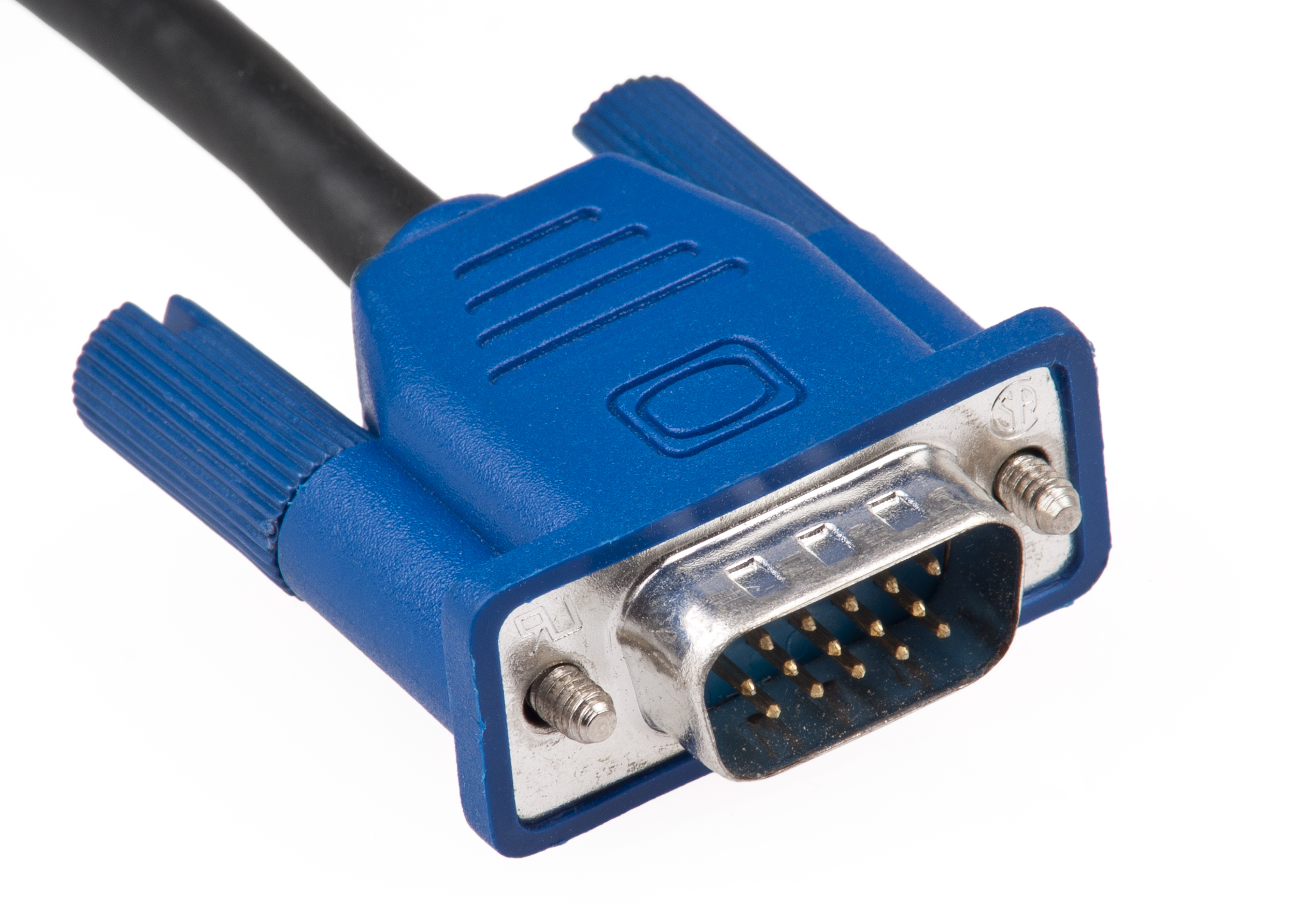
Furthermore, cabling systems or even peer-to-peer (P2P) wireless solutions using technologies that offer cable replacement have had to deal with a variety of connectors challenges, such as USB and micro-USB, as video systems move beyond Video Graphics Array (VGA). The market research firm also argues that MACD costs will decrease.
 Additions, moves, and changes are costly inconveniences that waste time for enterprise IT organizations. A move can sometimes involve cabling changes that can cost as much as $1,000 … With Wi-Fi printers, desktops, and other devices, all that is required is a cable to the power source, leaving workers free to move themselves making reconfigurations of offices easier.
Because of the many benefits of Wi-FI, Gartner VP Dulaney predicts firms are going to change how they connect;
we expect many organizations to shift to a wireless-by-default and a wired-by-exception model.
New Ethernet specifications
In order to deal with the new wireless-by-default reality, changes are needed on the wired network. Paul Mah at FierceCIO reports that the vendor community is working to address the Wi-Fi first world. Unfortunately, there are two industry groups pushing their own new Ethernet specifications. Mr. Mah says that new Ethernet standards are needed to work with Wave 2 of 802.11ac wireless access points (AP) with a theoretical maximum throughput of up to 3.5Gbps.
N ew standards are needed because the existing Gigabit Ethernet is a bottleneck and current alternatives are not attractive. First, link-aggregating two Gigabit Ethernet connections for each Wi-Fi AP would need additional cabling and more expensive managed switches to support it. Using 10GbE would be overkill. Upgrading to 10GbE is a significant investment that includes new Category 6a or Category 7 cables, more power, and more cabling.
One faction, the MGBase-T Alliance, was formed in June 2014 and includes; Avaya, Aruba Networks (ARUN), and Brocade (BRCD) as well as component vendors Broadcom (BRCM) and Freescale Semiconductor. The other group known as the NBase-T Alliance was formed in October 2014. This faction consists of Cisco (CSCO), Intel, Xilinx (XLNX), Freescale, and Aquantia, a company that’s already making 2.5G/5G components.
Little agreement on standards
At the moment, the only agreement between the two factions is that 2.5Gbps and 5Gbps speeds are needed. The IEEE 802 LAN/MAN Standards Committee has set up the P802.3bz 2.5/5GBase-T Task Force to address this issue. The 2015 Q1 CommScope Standards Advisor reports that the 802.3bz  committee has decided so far that:
- 2.5 GBase-T option will run on Cat 5e (Class D) 4 pair UTP up to 100M, and
- 5 GBase-T option will run on Cat 6 (Class E) 4 pair UTP up to 100M.
- There is no release date yet
The concern, however, is that vendors could jump the gun by shipping pre-standard products ahead of standards rectification, complicating matters and slowing down the development of the pertinent standards.
rb-
Remember 802.11n? Pre-standard products? Given that there is no guarantee that systems built with components from the two groups will work together. Don’t jump the gun – waiting for the standard to solidify before buying into new 2.5G/5G Ethernet networking hardware.
For now, Dell’Oro Group analyst Alan Weckel told FierceCIO is that enterprises will probably be able to buy 2.5G/5G equipment starting in Q2 of 2015.
Ralph Bach has been in IT long enough to know better and has blogged from his Bach Seat about IT, careers, and anything else that catches his attention since 2005. You can follow him on LinkedIn, Facebook, and Twitter. Email the Bach Seat here.